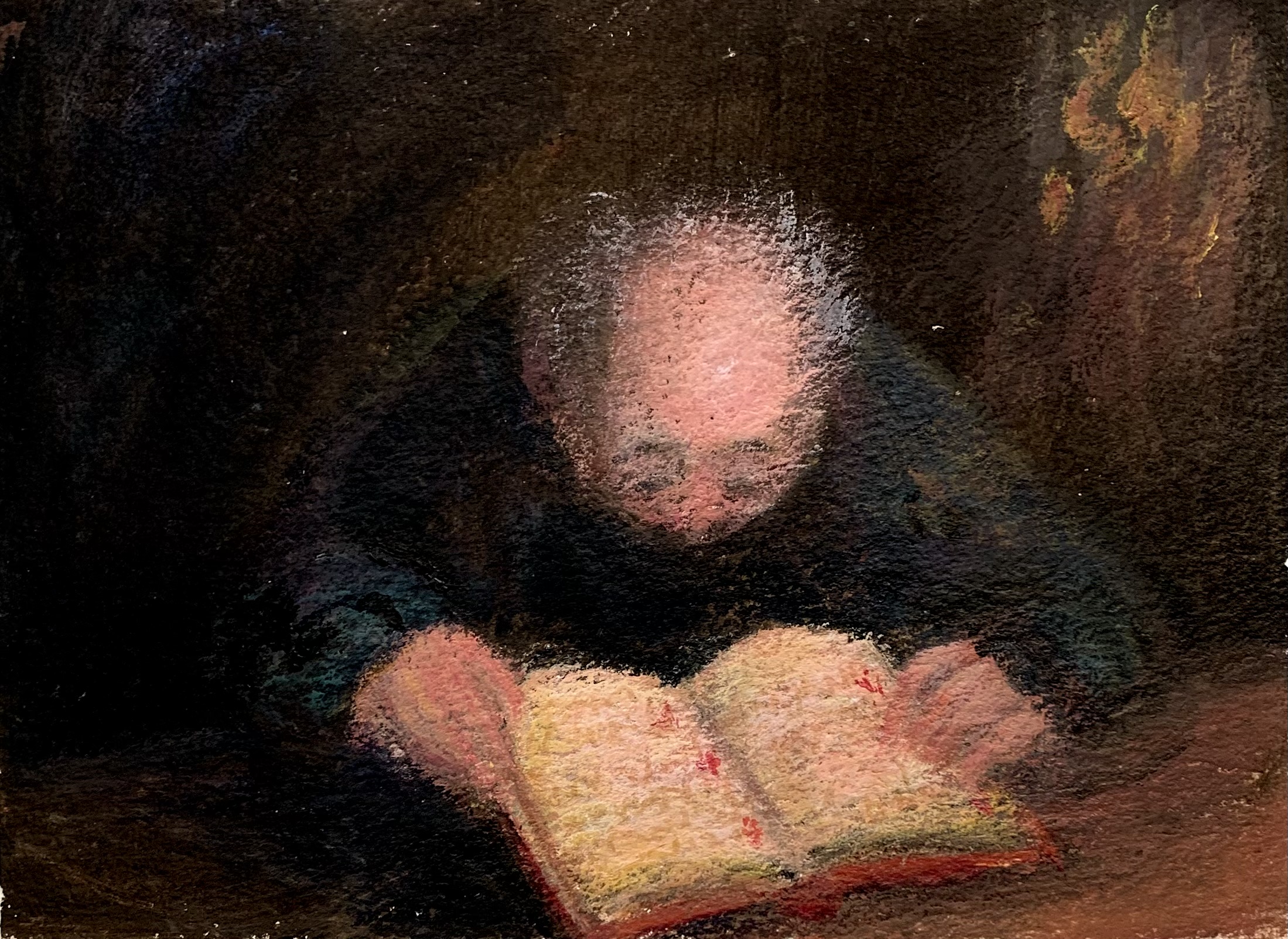
On Friday 2 October 2026, one of the key inspirations behind the RELICS network, Professor Wim Verbaal, celebrated his emeritus status. Although this is by no means a goodbye, the occasion provided an excellent opportunity for Jeroen De Gussem and Dinah Wouters, both RELICS members and his disciples, to reflect on Wim’s remarkable academic career, his lasting impact on the study of Latin literature, and the intellectual legacy he leaves to generations of students and scholars.
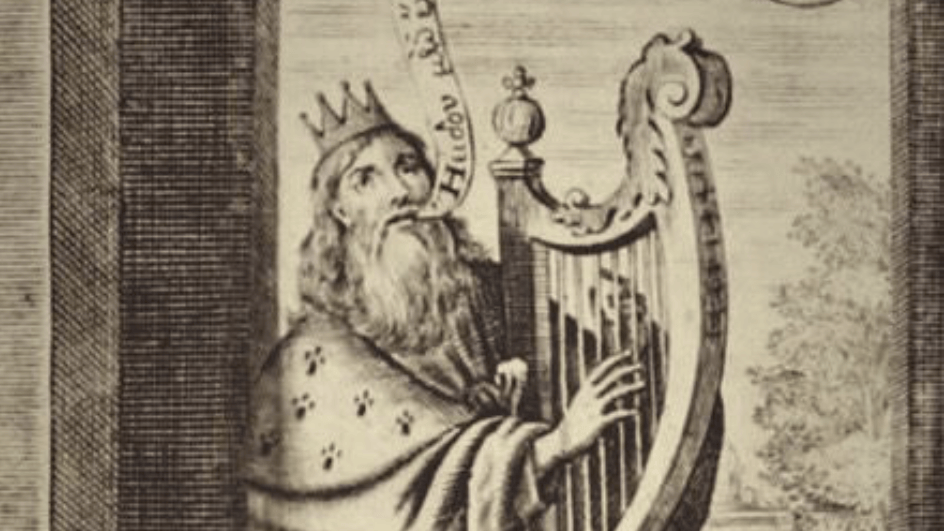
The Book of Psalms holds a central place in both Jewish and Christian traditions, acting as a prayerful bridge between the divine and the human. Through the centuries, it has been translated, versified, and reimagined to suit new linguistic landscapes and historical realities. As a result, it provides the perfect medium through which to investigate transnational and transhistorical literary trends. This conference brings together a diverse group of experts to explore the multifaceted history of this tradition ranging from the Hebrew Bible itself to Byzantine and Medieval Latin rewritings to poetic innovation in the Serbian language at the beginning of the nineteenth century.
Can we effectively unlearn and dismantle the harmful, neocolonial structures of knowledge that have shaped Latin into the field of study it is today? If so, how can we relearn Latin?
Together, the six speakers, the audience, and the organizers will
partake in a collective project of imagining and developing a toolkit
for un/relearning Latin.
On 11 March 2025, RELICS members Simon Smets and Alex Tadel organized a virtual roundtable on women as authors of Latin literature. Six impulse talks explored women’s Latin writing across historical periods, highlighting projects on early modern scientific texts, medieval women writers, digital linguistic datasets, collaborative research, and the historical contextualization of individual authors. Jane Stevenson also traced the development of the field, from its initial focus on fifteenth-century Italy to a broader geographical and chronological scope. The ensuing discussion emphasized the importance of integrating women’s Latin texts into educational curricula, fostering collaboration and mutual support among researchers, and addressing concerns about the potential career implications of specializing in women writers. The roundtable concluded with the hope that the exchange would inspire future collaborations.
A workshop is being held to explore the role of waterways in pre-modern literary culture and language. The event, organized by ‘Literatures without Borders’, will discuss the geographical influence of waterways on the transregional movement of authors, texts, and styles, the symbolism of water in various traditions, and its role as a character within texts. Invitations for presentations and poster contributions are open. The program includes presentations, discussions and a keynote lecture by Prof. Dr. Albrecht Classen.
On Friday 2 October 2026, one of the key inspirations behind the RELICS network, Professor Wim Verbaal, celebrated his emeritus status. Although this is by no means a goodbye, the occasion provided an excellent opportunity for Jeroen De Gussem and Dinah Wouters, both RELICS members and his disciples, to reflect on Wim’s remarkable academic career, his lasting impact on the study of Latin literature, and the intellectual legacy he leaves to generations of students and scholars.
The Book of Psalms holds a central place in both Jewish and Christian traditions, acting as a prayerful bridge between the divine and the human. Through the centuries, it has been translated, versified, and reimagined to suit new linguistic landscapes and historical realities. As a result, it provides the perfect medium through which to investigate transnational and transhistorical literary trends. This conference brings together a diverse group of experts to explore the multifaceted history of this tradition ranging from the Hebrew Bible itself to Byzantine and Medieval Latin rewritings to poetic innovation in the Serbian language at the beginning of the nineteenth century.
Can we effectively unlearn and dismantle the harmful, neocolonial structures of knowledge that have shaped Latin into the field of study it is today? If so, how can we relearn Latin? Together, the six speakers, the audience, and the organizers will partake in a collective project of imagining and developing a toolkit for un/relearning Latin.