The blog series 'In Focus' is conceived as a way to show the scope and diversity of the RELICS research group. A member of our team reflects on a current or recently finished project, and how it connects to the…

The blog series 'In Focus' is conceived as a way to show the scope and diversity of the RELICS research group. A member of our team reflects on a current or recently finished project, and how it connects to the…
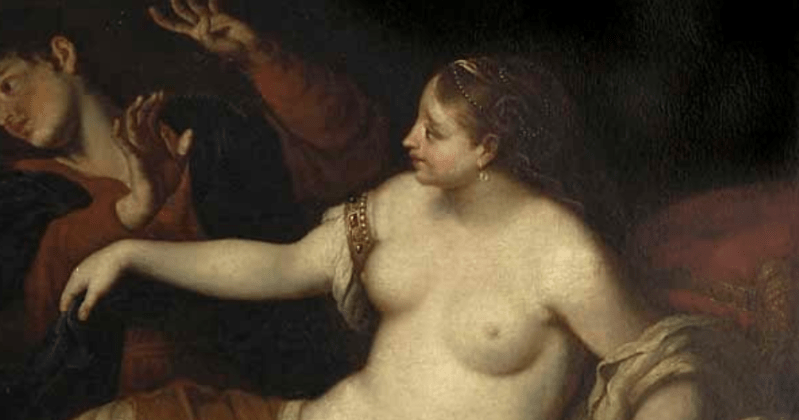

The monthly blog series 'In Focus' is conceived as a way to show the scope and diversity of the RELICS research group. Each blog post one of us will reflect on a current or recently finished project, and how it connects to the aims and vision of RELICS. Through this, by drawing from our own personal experience, we want to show in which ways Latin cosmopolitanism came to the fore from antiquity until modern times. This month: Elodie Paillard on Roman literary drama.

The monthly blog series 'In Focus' is conceived as a way to show the scope and diversity of the RELICS research group. Each blog post one of us will reflect on a current or recently finished project, and how it connects to the aims and vision of RELICS. Through this, by drawing from our own personal experience, we want to show in which ways Latin cosmopolitanism came to the fore from antiquity until modern times. This month: Elodie Paillard on Roman literary drama.
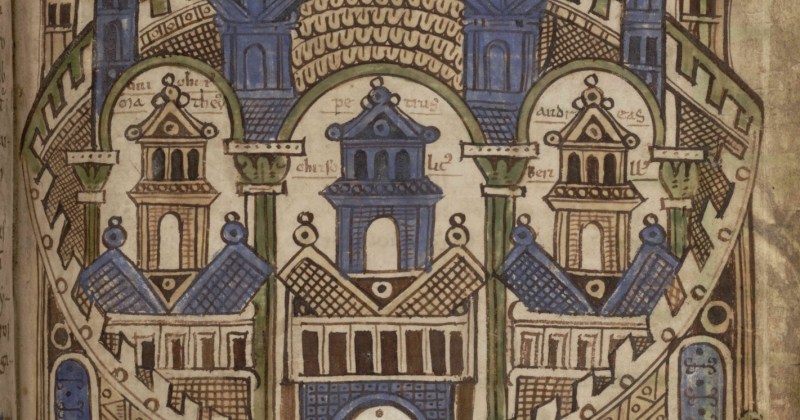

The monthly blog series 'In Focus' is conceived as a way to show the scope and diversity of the RELICS research group. Each blog post one of us will reflect on a current or recently finished project, and how it connects to the aims and vision of RELICS. Through this, by drawing from our own personal experience, we want to show in which ways Latin cosmopolitanism came to the fore from antiquity until modern times. This month: Klazina Staat on the medieval maps and... the covid- pandemic.

The monthly blog series 'In Focus' is conceived as a way to show the scope and diversity of the RELICS research group. Each month one of us will reflect on a current or recently finished project, and how it connects to the aims and vision of RELICS. Through this, by drawing from our own personal experience, we want to show in which ways Latin cosmopolitanism came to the fore from antiquity until modern times. This month: Maxim Rigaux on the sixteenth-century poet Juan Latino.
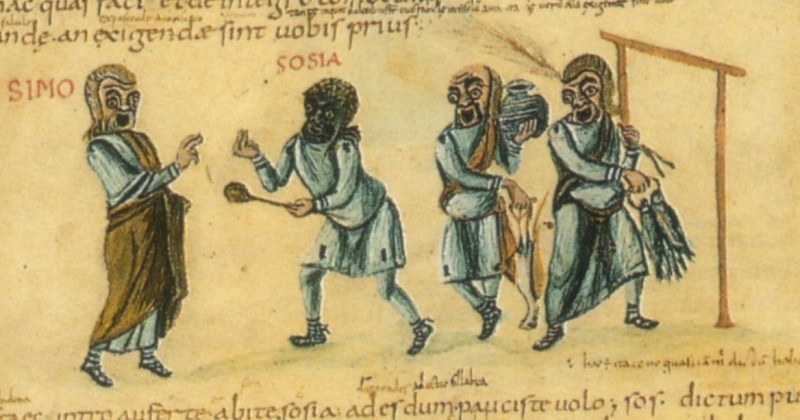
The monthly blog series 'In Focus' is conceived as a way to show the scope and diversity of the RELICS research group. Each month one of us will reflect on a current or recently finished project, and how it connects to the aims and vision of RELICS. Through this, by drawing from our own personal experience, we want to show in which ways Latin cosmopolitanism came to the fore from antiquity until modern times. This month: Chrysanthi Demetriou on cosmopolitanism and Roman comedy.
The monthly blog series 'In Focus' is conceived as a way to show the scope and diversity of the RELICS research group. Each month one of us will reflect on a current or recently finished project, and how it connects to the aims and vision of RELICS. Through this, by drawing from our own personal experience, we want to show in which ways Latin cosmopolitanism came to the fore from antiquity until modern times. This month: Jeroen De Gussem on computers, stylometry and Latin literary studies.

The monthly blog series 'In Focus' is conceived as a way to show the scope and diversity of the RELICS research group. Each month one of us will reflect on a current or recently finished project, and how it connects to the aims and vision of RELICS. Through this, by drawing from our own personal experience, we want to show in which ways Latin cosmopolitanism came to the fore from antiquity until modern times. This month: Ivo Wolsing on the cosmopolitan culture of twelfth-century Palermo.
 RELICS