Psalms, their translations and poetical rewritings are the focus of the SRN Literature without Borders' next conference in May 2026 in Leuven. The deadline for the CfP is 15 January 2026.
Our next conference on "Medieval Texts and their Social Contexts: Performance, Performativity, Agents and Genres" will take place in Ghent from 13–14 November 2025. All are warmly invited to join us in person! Registration via: https://event.ugent.be/registration/medievalperformance.
Performance and performativity have proved to be highly productive concepts for understanding the social worlds of medieval texts in diverse literary, linguistic and historical contexts. Through associable notions of orality, aurality, gesture, ritual, materiality, and agency, they have provided fresh ways to historicise texts. This conference seeks to build on such work through a comparative lens, bringing together case studies from different settings, languages and genres, to ask how texts functioned in social contexts, considering their written manifestations as only one part of their lives.
Our second virtual roundtable on 'The Future of Latin Teaching' will take place from Thursday 23 May 2024, 4.00-5.30pm (CET)
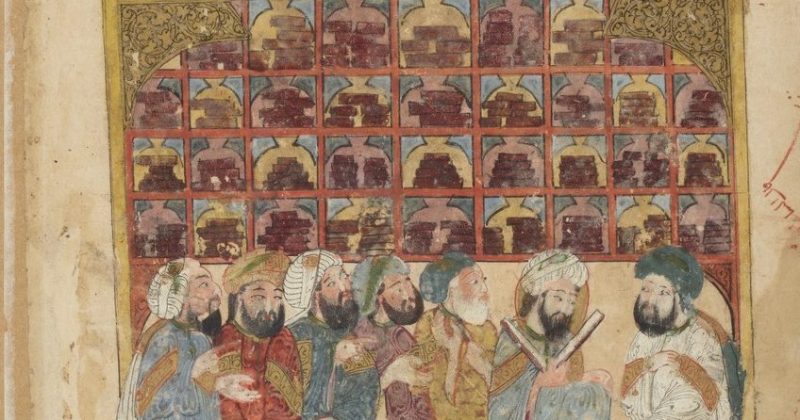
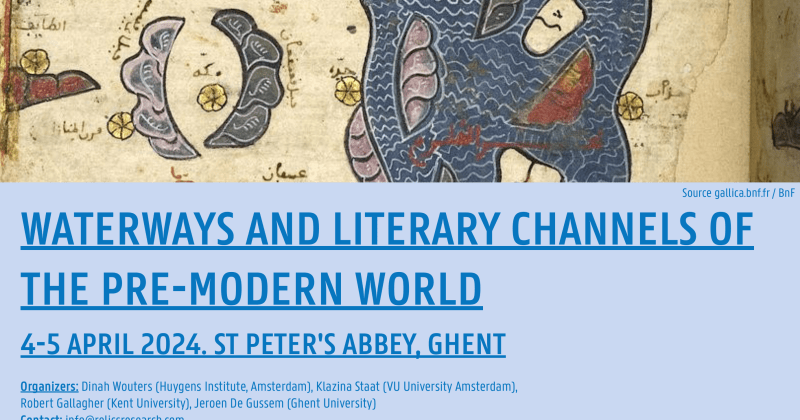
This workshop explores the various appearances and meanings of water in pre-modern literary cultures. What role did the geography of waterways play in the transregional movement of authors, texts, styles, and poetics? What commonalities and differences can we identify across…
Read More Waterways and Literary Channels of the Pre-Modern World
“The literature of ‘modern’ Europe is as intermingled with that of the Mediterranean as if the Rhine had received the waters of the Tiber.” E.R. Curtius, European Literature and the Latin Middle Ages Waterways, from great seas to local lakes…
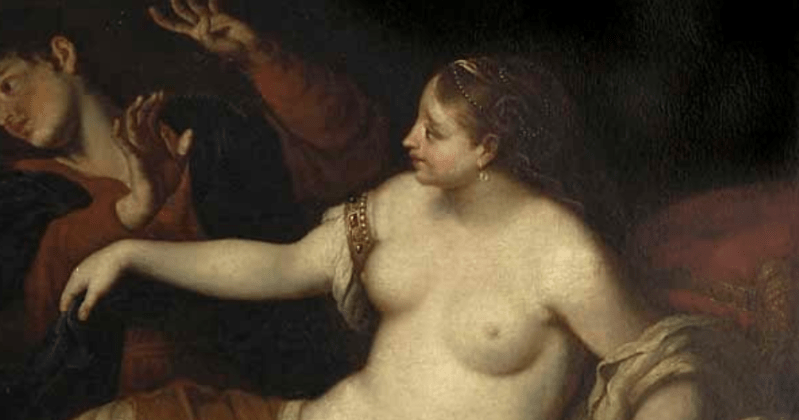
The monthly blog series 'In Focus' is conceived as a way to show the scope and diversity of the RELICS research group. Each blog post one of us will reflect on a current or recently finished project, and how it connects to the aims and vision of RELICS. Through this, by drawing from our own personal experience, we want to show in which ways Latin cosmopolitanism came to the fore from antiquity until modern times. This month: Elodie Paillard on Roman literary drama.
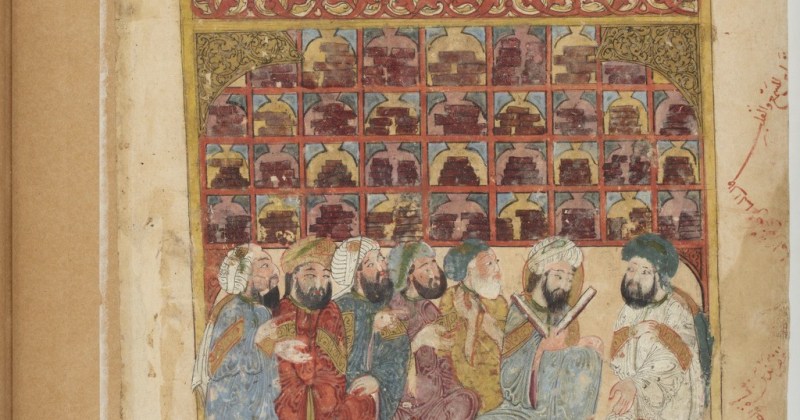
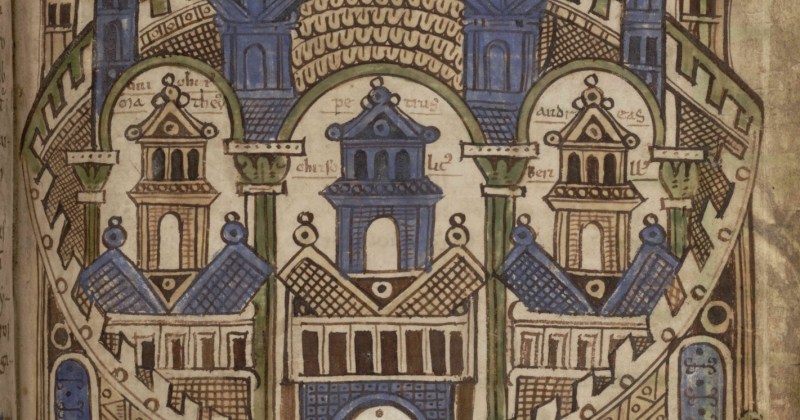
The monthly blog series 'In Focus' is conceived as a way to show the scope and diversity of the RELICS research group. Each blog post one of us will reflect on a current or recently finished project, and how it connects to the aims and vision of RELICS. Through this, by drawing from our own personal experience, we want to show in which ways Latin cosmopolitanism came to the fore from antiquity until modern times. This month: Klazina Staat on the medieval maps and... the covid- pandemic.
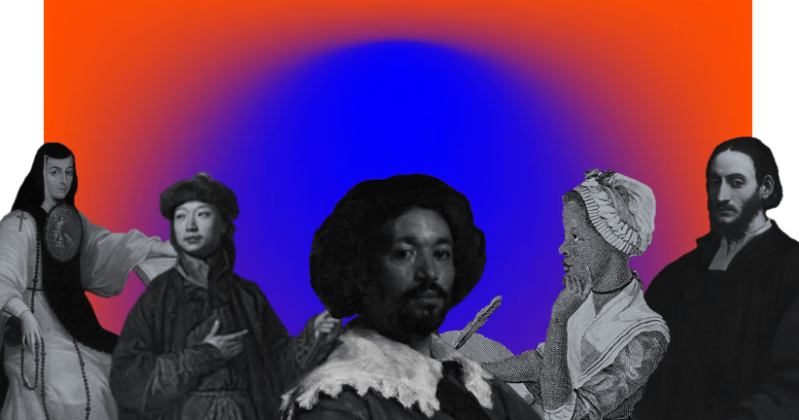
The monthly blog series 'In Focus' is conceived as a way to show the scope and diversity of the RELICS research group. Each month one of us will reflect on a current or recently finished project, and how it connects to the aims and vision of RELICS. Through this, by drawing from our own personal experience, we want to show in which ways Latin cosmopolitanism came to the fore from antiquity until modern times. This month: Maxim Rigaux on the sixteenth-century poet Juan Latino.